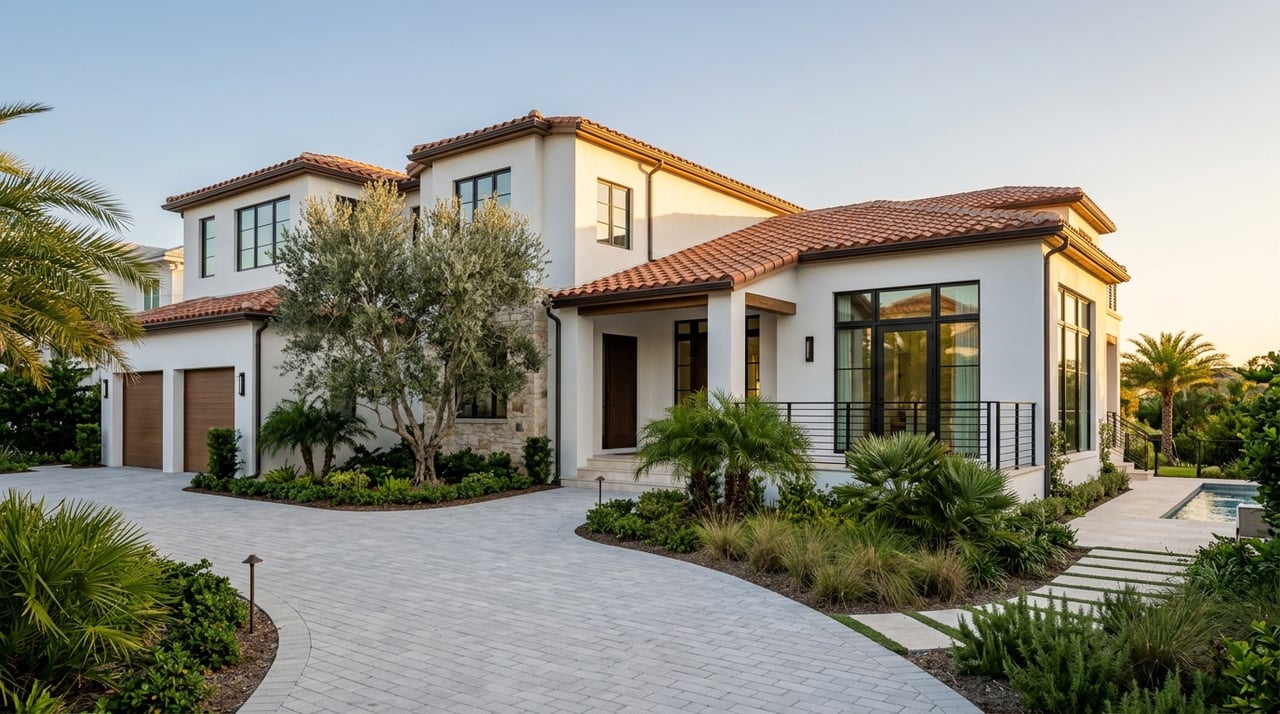
New Construction Homes In Gateway: Working With Builders
May 21, 2026
May 21, 2026
Thinking about a brand-new home in Gateway? It is easy to fall in love with a model, a floor plan, or a lake view, but builder purchases work differently than resale homes. If you are buying in Gateway 33913, you need to look beyond the base price and understand how builder contracts, timelines, fees, and community structure can shape your total cost and experience. Let’s dive in.
Gateway is not one single neighborhood with one type of home. It is a master-planned area in Fort Myers and Lee County, with separate subdivisions, different product types, and different fee structures.
That matters because when you buy new construction here, you are not only choosing a home. You are also choosing a subdivision, an HOA setup, district-related costs, and a release schedule that can vary from one neighborhood to the next.
The Gateway Services CDD was established to plan, finance, construct, operate, and maintain community-wide infrastructure. District amenities and infrastructure help shape the lifestyle in the area, but they can also affect your monthly budgeting along with your mortgage, taxes, insurance, and HOA-related expenses.
Gateway’s newer and newer-phase communities are best understood as separate neighborhoods rather than one uniform product. In recent community references, Hammock Cove is described as a 136-townhome neighborhood, Westhaven at Gateway as a Lennar-developed townhome community, Timberwood Preserve as a 43-home single-family neighborhood, and Hampton Park as a larger gated community with multiple product types and later build-out sections.
For you as a buyer, this means each option may come with a different feel, lot type, HOA structure, and ownership cost. A townhome in one section may include very different services than a single-family home in another.
Lot location also deserves close attention. In Gateway, available homesites may include interior, preserve, lake, or golf-oriented settings, and those differences can influence both price and day-to-day enjoyment.
One of the biggest misconceptions in new construction is that the on-site sales team represents everyone involved. They do not. In a builder transaction, the builder is the seller, and the on-site sales representative works for the builder.
That is why having your own representation can be so important. A buyer’s agent can help you compare neighborhoods, register properly with the builder, review the process, track selections, and stay involved from contract to closing.
Builder registration rules matter too. Many builders expect your agent to be registered at your first visit, and that can affect whether your agent is allowed to represent you in the transaction. If you plan to work with an agent, it is usually smartest to connect before you walk into the model center.
A new-construction contract is not the same as a standard resale purchase. Builder agreements often include different deposit structures, construction timelines, design-selection steps, walkthroughs, and completion terms.
You may also be signing before the home is finished, or even before construction starts. That creates a longer window between contract and closing, which means communication and documentation become especially important.
Many new-home timelines take months, not weeks. Industry guidance notes that a new build often averages around eight months, while fully custom homes can take much longer.
The base price is only the starting point. In Gateway, your all-in cost may also include lot premiums, design-center upgrades, closing costs, HOA fees, district-related assessments, taxes, insurance, utilities, and maintenance.
This is where many buyers get surprised. A home that looks like the best value at first glance may not be the best fit once you account for recurring fees and optional upgrades.
A helpful way to compare homes is to look at the full carrying cost, not just the sales price. That gives you a clearer picture of what ownership will actually feel like month to month.
Upgrades can add up fast. Industry sources warn that add-ons and custom features can push the final price tens of thousands above the advertised base price.
That does not mean upgrades are bad. It just means you should evaluate them carefully and ask what comes standard before you commit to extra costs.
A smart question to ask is simple: does this upgrade improve your daily life enough to justify the price? In many cases, it may make sense to prioritize upgrades that are expensive or disruptive to change later, while skipping cosmetic items you could update in the future.
Builders sometimes offer incentives such as closing-cost help or mortgage rate buydowns. Those offers can be valuable, but you should still compare loan options carefully.
Consumer guidance recommends shopping around for a mortgage instead of assuming the builder’s preferred lender is automatically the best choice. The headline incentive may sound great, but the full loan terms matter more than the marketing pitch.
It is also wise to ask early about deposit terms and refundability. Before you sign, make sure you understand when deposits are due and under what circumstances, if any, they can be refunded.
A lot of buyers assume a brand-new house does not need an inspection. That is a risky assumption.
Consumer guidance recommends keeping an inspection contingency even with new construction. A new home may be new, but it still involves many systems, trades, materials, and installation steps.
Depending on the stage of construction, you may want to discuss inspections at key points and again before closing. Final walkthroughs also matter, because they give you a chance to confirm agreed-upon items and note anything that still needs attention.
Builder warranties can provide peace of mind, but they are not the same thing as a home warranty. A builder warranty typically covers permanent components such as plumbing, electrical, windows, and HVAC for defined periods under the builder’s terms.
A separate home warranty is a paid service contract and may cover different items, such as appliances or air conditioning, depending on the plan. Before closing, ask for the builder warranty details in writing and review what is covered, what is excluded, and how claims are handled.
In Southwest Florida, insurance should never be an afterthought. Even if a new home may have lower maintenance needs, you still need a real quote before you rely on assumptions about affordability.
Consumer guidance recommends getting an informal insurance estimate before committing. That is especially useful in Gateway, where your total monthly cost may include several layers beyond principal and interest.
If flood insurance may be relevant to the property, make sure you understand that cost early too. It is always better to confirm the numbers before you are emotionally committed to the home.
One of the most important parts of a builder purchase happens after the contract is signed. New construction involves a long middle phase where selections, updates, timelines, and communication can affect your outcome.
This is not the time to go quiet. Good documentation and regular check-ins can help you track change orders, construction progress, walkthrough items, and closing expectations.
An experienced buyer’s agent can be especially helpful here by keeping details organized and helping you communicate clearly as the home moves toward completion. In a market like Gateway, where release timing and neighborhood structure can vary, that extra guidance can make the process feel much smoother.
If you are considering new construction in Gateway, keep your decision process simple and focused. Start with the community, then the budget, then the floor plan.
That order matters because the right home in the wrong fee structure may not be the right fit. And the perfect model home loses some shine if the timeline, lot premium, or monthly ownership cost does not match your goals.
Buying a new construction home in Gateway can be a great opportunity, especially if you want modern finishes, lower near-term maintenance, and a more tailored layout. The key is knowing that you are buying more than new walls and finishes. You are choosing a builder process, a neighborhood structure, and a long-term cost profile.
If you want a local guide who understands Gateway’s neighborhood mix and can help you navigate builder registration, costs, upgrades, and the contract-to-closing process, reach out to Alicia Lee.
Get assistance in determining current property value, crafting a competitive offer, writing and negotiating a contract, and much more. Let me guide you through your home-buying journey.
ALICIA LEE
24031 South Tamiami Trail Bonita Springs, FL 34134