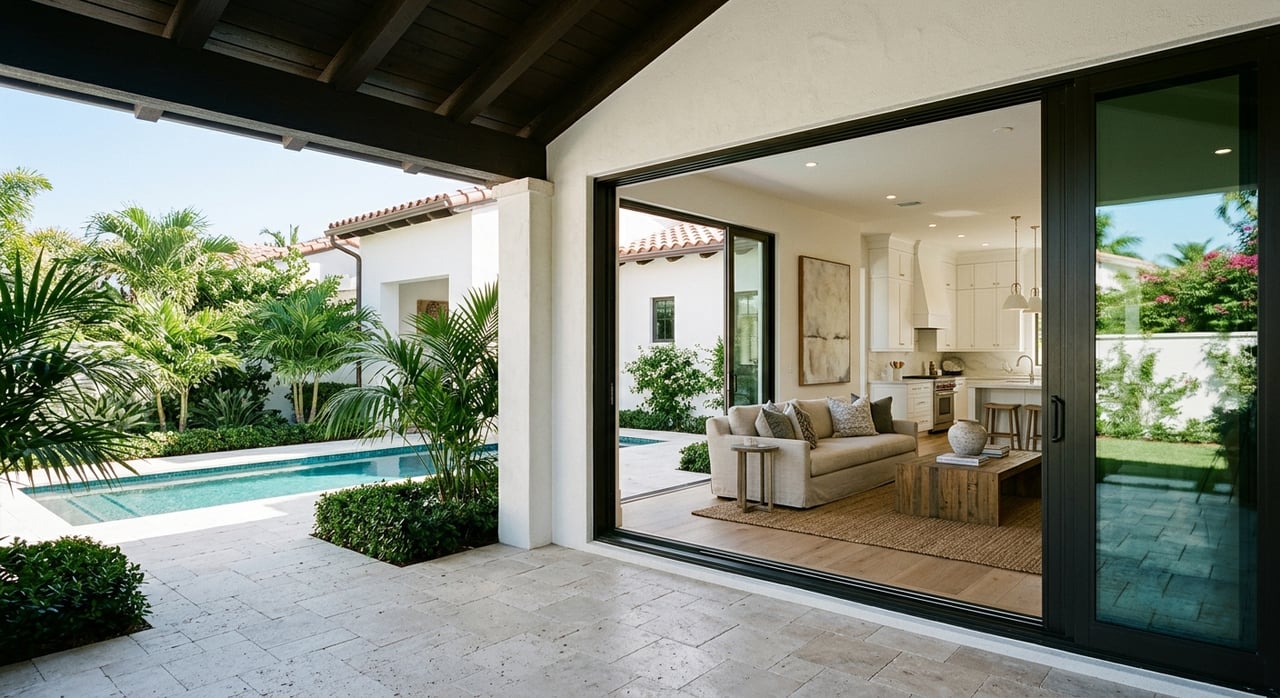
Gateway Listing Marketing Strategy for Maximum Exposure
April 16, 2026
April 16, 2026
If you are selling in Gateway, your home has to win online before a buyer ever walks through the front door. In ZIP code 33913, where current market data shows a healthy amount of inventory and homes often take about 62 to 71 days to go pending or sell depending on the source, basic exposure is not enough. You need a launch plan that helps your home stand out, attract the right attention quickly, and turn online interest into real showings. That is exactly how I approach listing marketing for Gateway sellers, so let’s dive in.
Today’s buyers shop with their phones and laptops long before they schedule a tour. According to the National Association of Realtors, 52% of buyers found the home they purchased online, and nearly half started their search there.
That means your listing has to make a strong first impression right away. The photos, the price positioning, the description, and the timing all work together to decide whether buyers click, save, share, or move on.
In 33913, that first impression matters even more. Recent market snapshots place the area in roughly the mid-$400,000s to $490,000, with hundreds of homes on the market depending on the data source, including Realtor.com’s 33913 overview. When buyers have options, your listing launch needs to feel polished and intentional.
I do not rely on a single tactic and hope for the best. I use a step-by-step marketing system designed to help your home show well online, reach a broad audience, and stay competitive during the most important days after launch.
Before your home goes live, I focus on presentation. The goal is to make each space feel clean, open, and easy for buyers to understand in photos.
The NAR consumer guide to marketing your home highlights cleaning, decluttering, staging, and curb appeal as core parts of an effective marketing plan. Those details matter because buyers often form opinions in seconds.
Staging is not about making your home look fake. It is about helping buyers picture how the space lives.
In NAR’s 2025 staging research, 83% of buyers’ agents said staging made it easier for buyers to visualize a property as their future home. The same research found that 49% of sellers’ agents saw reduced time on market, and 29% of agents reported a 1% to 10% increase in the dollar value offered after staging. You can see more in NAR’s 2025 home staging snapshot.
For most Gateway homes, I pay especially close attention to the rooms that tend to matter most in buyer decision-making:
That lines up with NAR’s findings that these are among the most commonly staged and most influential spaces for buyers. If needed, I help you focus your time and budget on the areas that are most likely to improve online appeal.
Photos are often the single biggest factor in whether a buyer wants to learn more. NAR reports that 81% of buyers rated listing photos as the most useful feature during their online search.
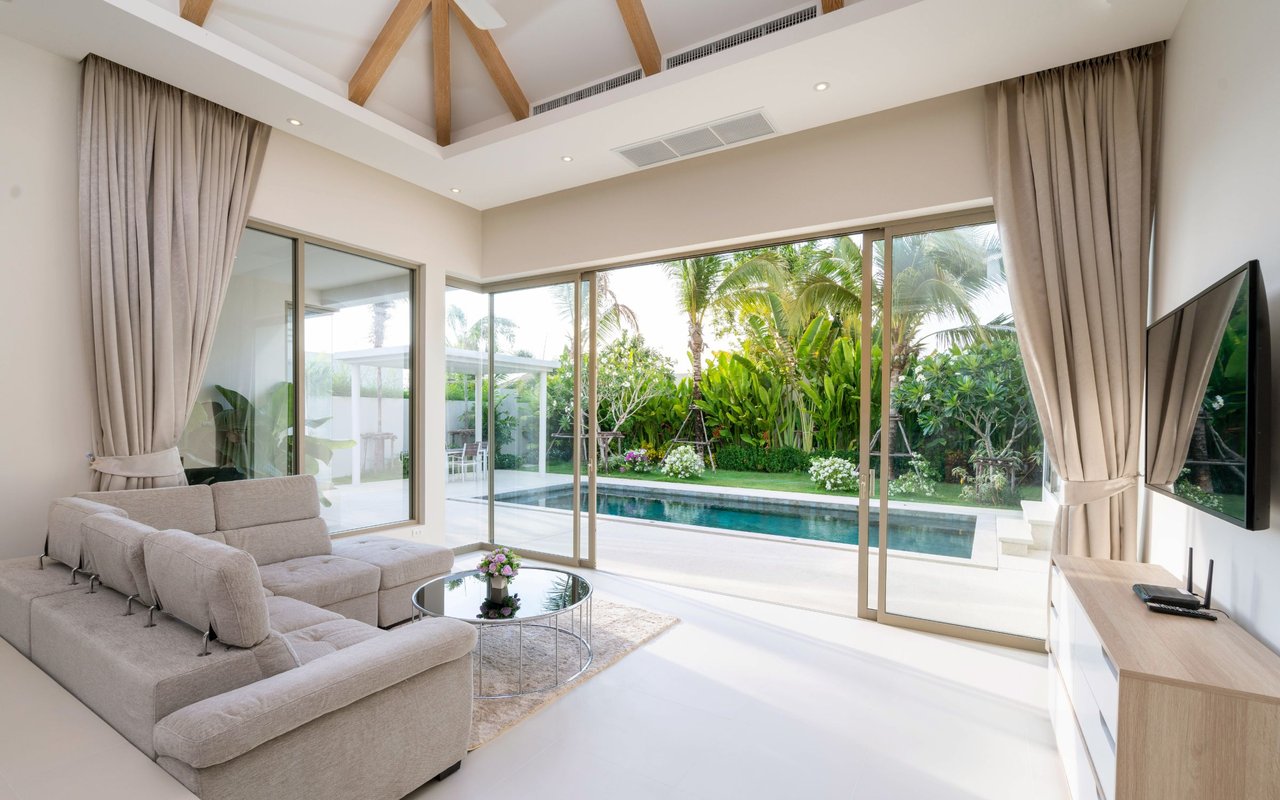
I treat photography as more than a checklist item. The lead photo matters because it sets expectations, and NAR notes that in many cases a strong exterior image or a lifestyle-focused interior shot performs better than a generic wide room view.
For Gateway listings, that usually means I want your online presentation to do two things at once:
When buyers search in Gateway, they are not only comparing square footage and finishes. They are also comparing what daily life looks like.
According to the Gateway Services Community Development District, the district maintains community-wide infrastructure and recreational facilities, including the Commons Pool, Sherman Soccer Complex, trails, and common areas. The district’s parks information also notes features like Linear Park with more than two miles of paved walking trails, a member-only dog park, a free resident pool pass, and year-round community events.
When appropriate, I make sure the listing presentation reflects that broader lifestyle context. That may include showing curb appeal, outdoor living spaces, and describing the convenience of nearby community features in a factual, neutral way.
A beautiful listing only works if people actually see it. That is why broad distribution is a key part of my marketing process.
The MLS is the starting point for serious listing visibility. NAR explains that multiple listing services compile listings from brokerages, provide verified data, and typically offer the broadest exposure to prospective buyers.
As part of my listing process, your home is entered into the MLS through Domain Realty’s brokerage support. That creates the foundation for visibility and accuracy.
From there, listing syndication helps push the property onto additional consumer-facing websites. NAR defines syndication as the agreement that allows listings to be advertised on non-MLS websites.
In simple terms, this is what helps your Gateway home move beyond one database and into the places where buyers are actively browsing, saving searches, and setting alerts.
The first several days after your listing goes live are especially important. NAR’s guidance on online visibility says buyers use saved searches, listing alerts, and social feeds, and that the early launch window is often when a home gets its strongest burst of attention.
That is why I do not just upload the listing and wait. I think about the launch as a coordinated rollout, with the goal of generating momentum right away.
The NAR consumer marketing guide specifically includes photography, social media, signage, open houses, and competitive pricing as core parts of a strong seller marketing plan.
Your listing description should do more than fill space. It should quickly answer the questions buyers are already asking while they scroll.
NAR recommends that listing descriptions address condition, updates, and how the home fits different lifestyles. Their visibility guidance also notes that buyers are paying attention to features like energy-efficient upgrades, flexible spaces, smart-home features, and usable outdoor areas.
For Gateway homes, I focus on clear, consumer-friendly language that helps buyers understand:
That kind of clarity can help convert casual views into serious interest.
Not every listing gets the same immediate response, and that is why I believe in reviewing early performance instead of guessing. NAR notes that low views or few saves in the first days can be a sign that photos, pricing context, or promotion need to be adjusted.
If traction is softer than expected, I look at the pieces that can be improved. In some cases, that means updating the lead photo, changing the photo order, refreshing how the home is being shared, or strengthening the way the listing is positioned online.
This matters because marketing is not just a one-time setup. It is a live process, especially during the opening stretch when visibility can often be reset or improved through smart adjustments.
Most sellers are not just hiring someone to place a home in the MLS. They are looking for help with pricing, marketing, communication, and timing.
NAR’s 2025 Profile of Home Buyers and Sellers found that 91% of sellers used an agent, and that sellers most often wanted help marketing the home, pricing it competitively, and selling within a specific timeframe. That is why my approach centers on a real system, not a one-size-fits-all checklist.
For Gateway sellers, that system includes preparation, staging guidance, professional photography, MLS placement, syndication, digital promotion, and early performance review. It is designed to give your home the strongest possible start in a competitive online environment.
If you are thinking about selling in Gateway or anywhere in 33913, I would love to help you build a launch plan that matches your home and your goals. Connect with Alicia Lee for boutique guidance, professional marketing, and local insight tailored to your next move.
Get assistance in determining current property value, crafting a competitive offer, writing and negotiating a contract, and much more. Let me guide you through your home-buying journey.
ALICIA LEE
24031 South Tamiami Trail Bonita Springs, FL 34134